







Why cleanroom door Should Drive Every Automotive Manufacturing Cleanroom Design Decision
Prioritize clean room wall panel systems in Automotive Manufacturing cleanroom design. Explore cleanroom door engineering controls, fire-rated materials, and safety practices that protect workers and products.
Cleanroom safety in the automotive electronics, EV battery production, and precision coating sector encompasses both personnel protection and product integrity, and these objectives are deeply intertwined. Workers operating in controlled environments from ISO 7 to ISO 9 for different production stages environments face unique hazards including chemical exposure, confined space risks, and the psychological effects of prolonged isolation in protective garments. Project managers must design facilities that minimize these risks through engineering controls rather than relying solely on administrative procedures. The contamination in battery cells or means that safety systems must perform flawlessly, because any compromise in environmental control threatens both human welfare and product quality simultaneously.
Prioritizing Personnel Safety in Automotive Manufacturing Cleanroom Design
The foundation of cleanroom safety lies in proper facility design and material selection. Fire-rated clean room wall panel systems with certified flame spread ratings protect both occupants and critical assets. cleanroom door with low-VOC emissions maintain indoor air quality in tightly sealed environments where fresh air exchange is carefully controlled. Emergency egress design must account for personnel in bulky cleanroom garments who may have reduced visibility and mobility. clean room hvac system systems with interlocked doors ensure proper airlock function while providing reliable escape routes during emergencies. In EV battery gigafactories requiring ISO 7 dry rooms with dew points below -40°C, safety officers have documented 60% reductions in incident rates after upgrading to modern cleanroom designs incorporating these engineering controls.
Engineering Controls That Protect Workers and Products Alike
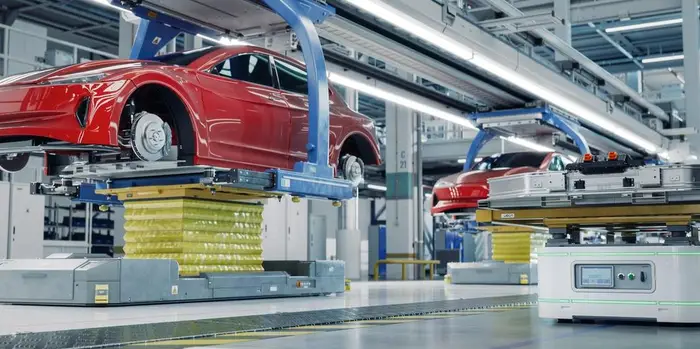
Fire safety deserves particular attention in cleanroom environments where conventional suppression methods may conflict with contamination control requirements. automotive manufacturing cleanroom with non-combustible mineral wool cores provide inherent fire resistance while maintaining the particulate performance that production demands. Pre-action sprinkler systems, early smoke detection through air-aspiration technology, and compartmentalization through fire-rated modular clean room systems barriers create layered protection without introducing water damage risks during false alarms. Regular evacuation drills, clear visual exit signage compatible with cleanroom lighting levels, and strategically located emergency equipment complete the safety ecosystem. When project managers prioritize these safety elements during design, they create facilities where workers feel secure and regulators see evidence of due diligence.
Emergency Preparedness and Fire Safety in Controlled Environments
Looking ahead, electrification transforming automotive manufacturing cleanroom requirements dramatically. Facilities that invest wisely in cleanroom door today will be best positioned to capture emerging opportunities while maintaining the operational excellence that defines industry leadership. Partnering with experienced clean room hvac system ensures your facility remains adaptable, compliant, and cost-effective throughout its service life.